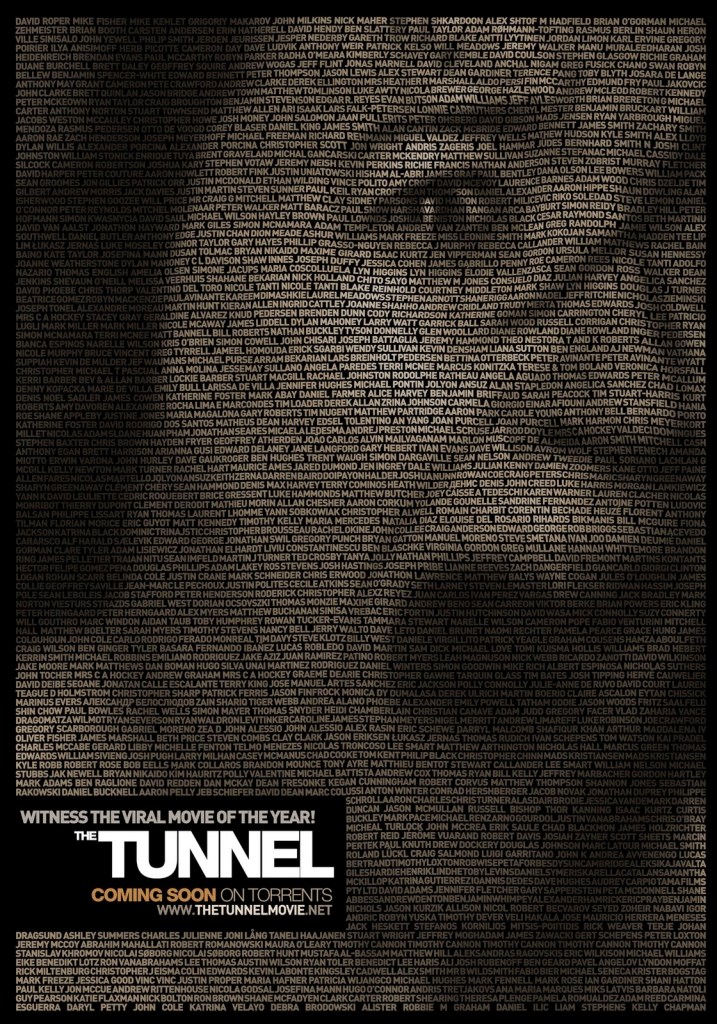
For found footage films to really work, you have to be really out there as a filmmaker and make a bold swing. Think of a movie like Cannibal Holocaust, a film so horrific to watch and presented as actual footage that audiences thought they were watching a snuff film. Filmmaker Ruggero Deodato had to prove in court that how they did the special effects and that no actors were actually killed on camera. The Blair Witch Project used the early days of the internet to convince people this was an actual documentary gone horribly wrong and not a fictional film. Even the BBC equivalent of War of the Worlds, Ghostwatch, utilize real BBC presenters and journalists in a fictional recreation of “The Enfield Poltergeist” case. The makers of the 2011 Australian film The Tunnel try a new tactic. The film is presented like a news documentary you might watch on Australian television. It’s an interesting idea that unfortunately is never really utilized to its fullest extent.
The film centers around television journalist Natasha Warner desperate for a story to prove her worth as a journalist. She learns about the cancellation of a massive water recycling project by the New South Wales government. The project which was supposed to take place in tunnels underneath Sydney was quietly discontinued. At the same time, she learns about missing homeless people who may live in the tunnels. She tricks her crew into thinking they have permission to go into the tunnels. There they come across something deadly that lives in these tunnels.
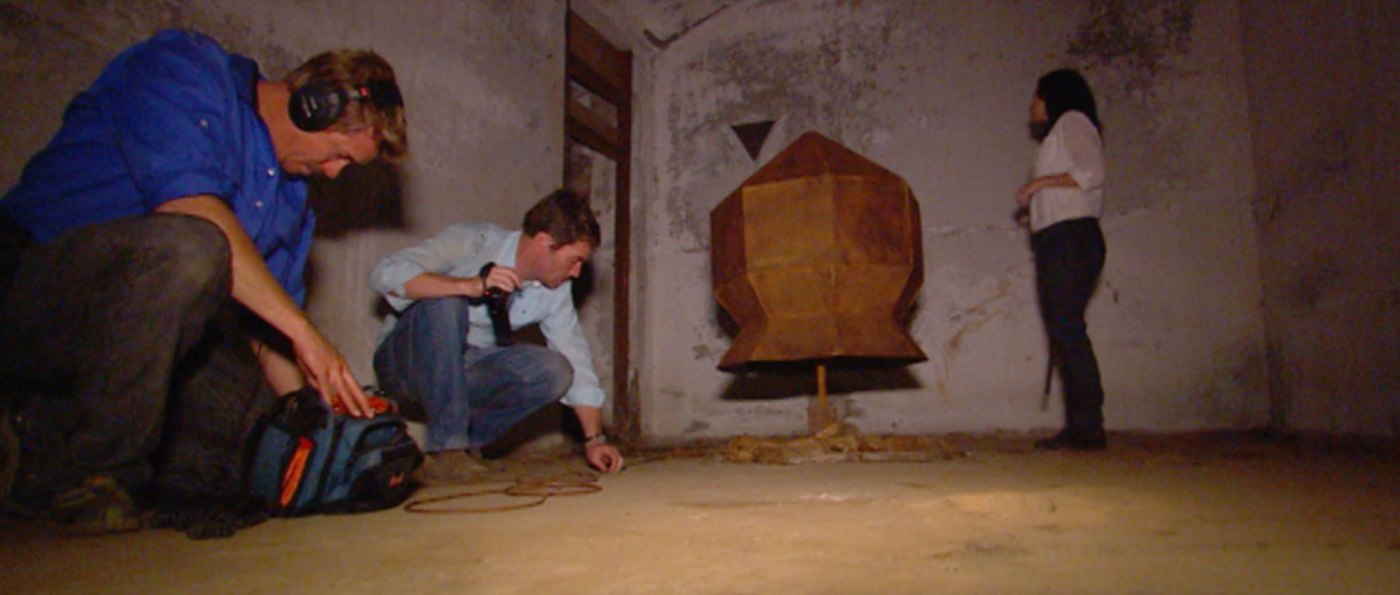
The best thing about this movie is the location. As a found footage film, it gets a lot of production value from the actual tunnels and World War II bomb shelters. They’re always something creepy about abandoned or disused locations. Additionally the filmmakers never let you forget how claustrophobic the area is. The characters acknowledge that not everything is on the map they have. That lack of any sense of geography really adds to the atmosphere of the film.
The problem with the movie is that emulating the news documentary formula robs the film of its drama. The news documentary format at least explains why the variety of footage from news cameras, traffic cameras, and security cameras is in the film. Because they’re talking heads, we know that at least two people will survive this experience; Natasha and her camera man, Steve. The talking heads, while an interesting idea, always turns the movie into a true crime documentary on Discovery Channel. Steve helpfully explains that he filmed everything because he had serious doubts about Natasha. At some point though, it goes from being a news documentary into being a straight up horror film with the characters acting like they’re in a horror film. The transition never works because like most found footage films, it just becomes a scripted film at this point. It’s hard to believe that this kind of footage would be in a news documentary.
Maybe the most frustrating part is that for a movie about journalists, they never really seem like journalists after the first thirty minutes. When it gets to the end, sure both journalists are clearly traumatized. That is easy to believe. Still we’re supposed to think neither is interested in any way to follow up the story outside of talking for this documentary? That Steve, whose his best friend gets killed by the creature, doesn’t want justice for him in anyway? Both Steve and Natasha are uninterested in what this monster was or how long it might have been down there?
The Tunnel is an interesting idea with poor follow through. The filmmakers gets a lot of mileage out of its real world setting. They unfortunately never really seem at ease with its fake documentary format. The format always comes across as a gimmick than actual storytelling tool.

 Cinema Dual
Leave a comment